

Enhancing Institutional Vitality
Building a Strong Foundation for the Future
Tacoma Community College’s vitality is no accident—it’s the result of bold vision, thoughtful planning, and a community that has consistently invested in student success. For six decades, TCC has grown and adapted to meet the changing needs of its students, while remaining true to its core values of access, equity, and excellence. This section celebrates the energy, innovation, and investment that have sustained TCC’s mission and positioned the college for a vibrant future.


TCC Foundation
The TCC Foundation was organized as a non-profit educational corporation in 1967 to support students and the college. The Foundation’s early work centered around establishing a student loan fund, which was sustained by community members and operated as an emergency resource for TCC students.
Beyond fundraising, the Foundation also worked to make meaningful connections in the community, with events like the Sister City International Music Festival. The Foundation recognized faculty and staff contributions with annual awards, and provided program support to TCC’s Humanities Lecture Series.
The Foundation ran its first full college fund drive as part of TCC’s 20th anniversary celebrations. In the early 1990s, the Foundation established an endowment fund with the contributions of a broad range of community members, intended to support TCC’s needs in perpetuity. The organization spearheaded major campus revitalization with the "Capital Visions" capital and endowment campaign in 2004 through 2007, exceeding its goal and raising $9.7 million for the college.
The Foundation continues to thrive, and awards hundreds of scholarships each year.
The Foundation’s current annual fundraiser, Reach Higher, began as a luncheon and now is an annual, weeklong celebration of student success dent organizations the Environmental Club and Student Veterans Organization.
Capital Visions
While some new facilities had been added as TCC grew, by the 1990s, the campus was looking tired. President Pamela Transue arrived in 1997 and set to work on bringing TCC into the 21st century. The Foundation was heavily involved in the resulting “Capital Visions” capital and endowment campaign. Fundraising aimed to raise money for ongoing student support, but also for the creation of new campus spaces and improvements to the library and Health Programs.
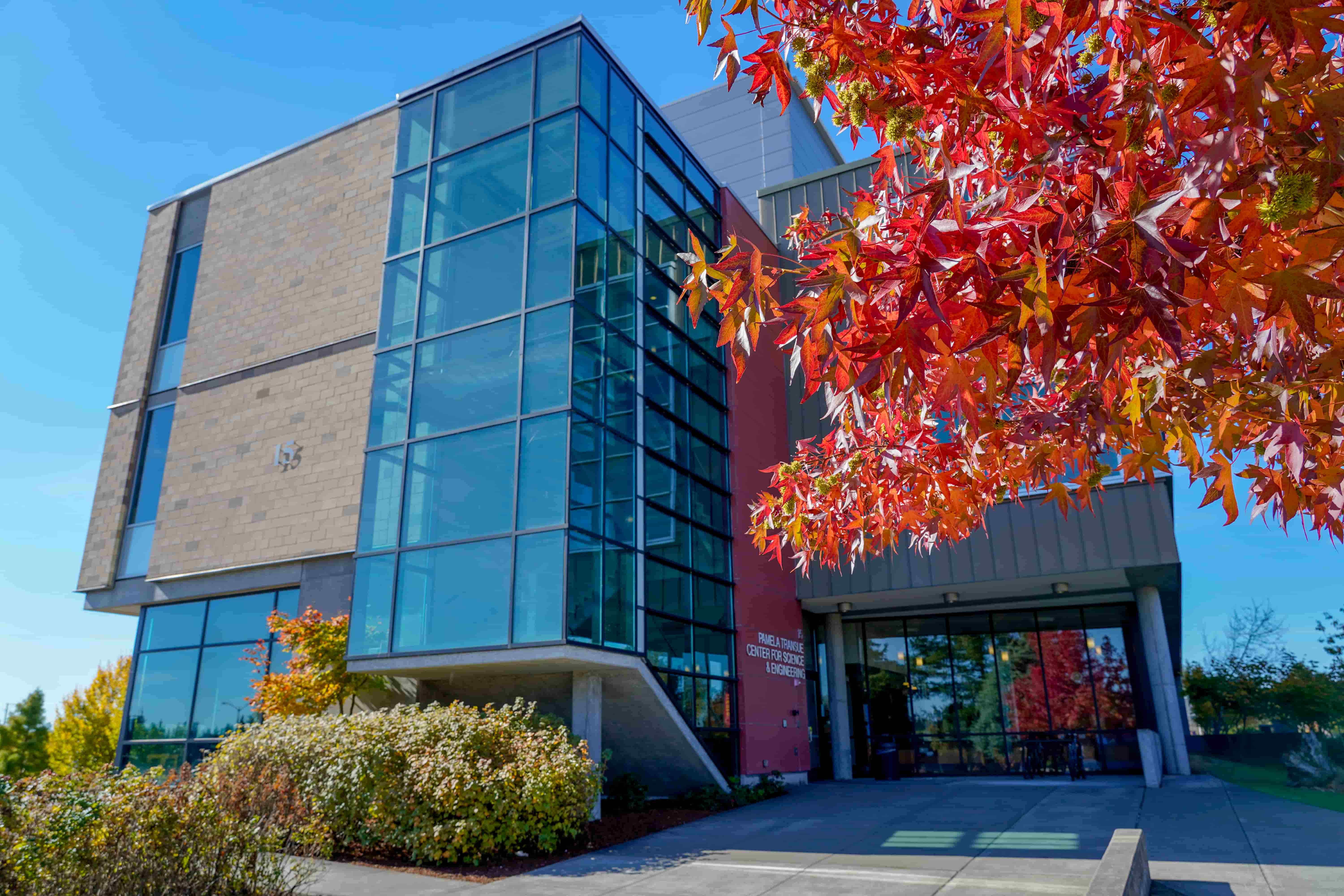
The earliest addition to the campus in what would be an incredible series of new buildings was the Gallery (2002), followed by the Classroom and Administration building (2004), the Information Technology building (2005), and the Science and Engineering building (2007).
Because of the incredible range of improvements made over the span of these few years, TCC celebrated a Grand Reopening in September 2007.
Campus Sustainability
The projects following those celebrated in 2007 not only filled significant needs for the college, but exemplified the values of the campus’s sustainability program, enacted by President Transue.
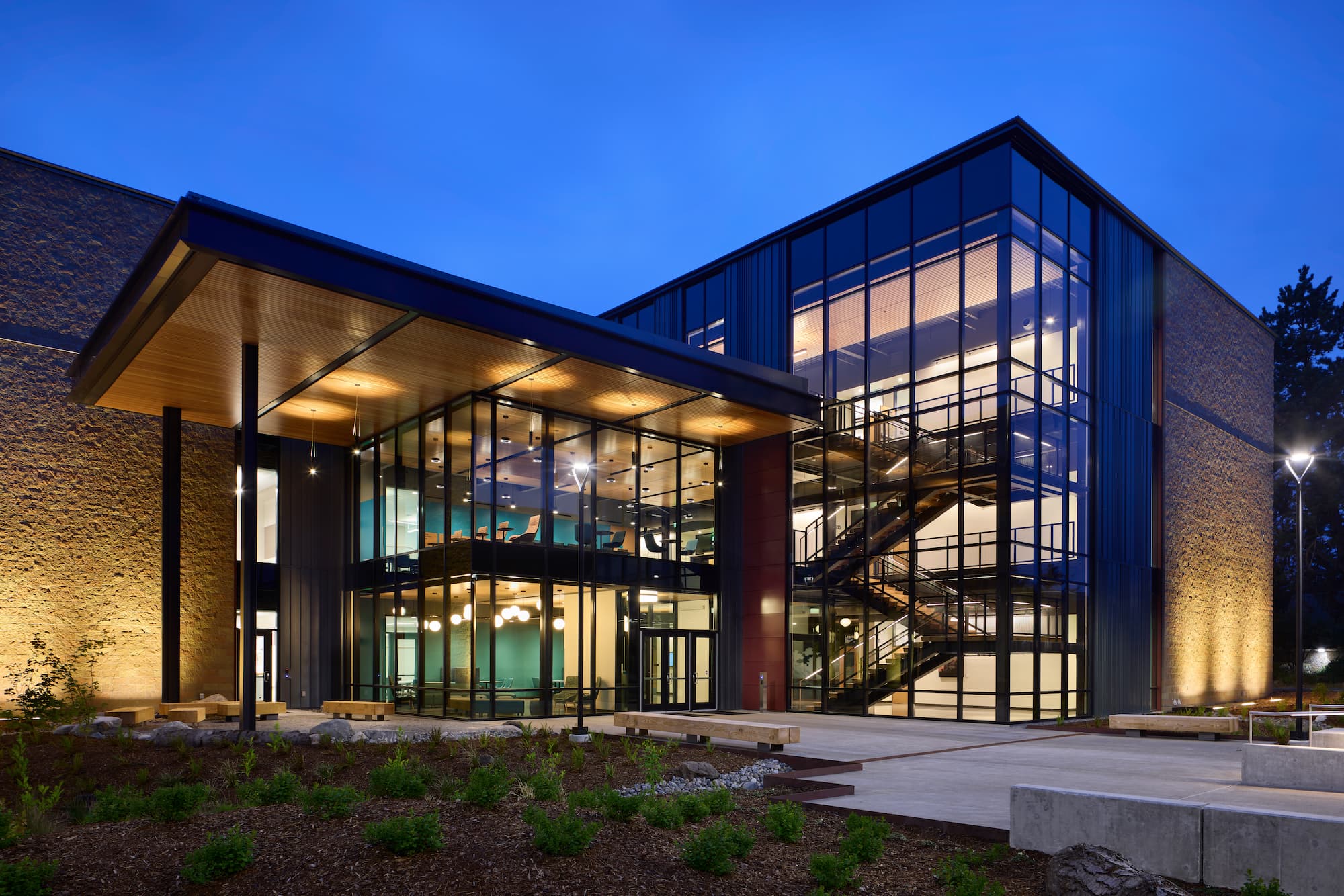
The Annette B. Weyerhaeuser Early Learning Center (ELC), named after the long-time Foundation member, opened in 2008 and was the first TCC building to attain LEED (Leadership in Energy and Environmental Design) Gold certification. Since then, TCC has completed three additional projects that meet LEED and other sustainability guidelines:
- Harned Center for Health Careers (2014);
- Expansion of the Health and Wellness Center (2019);
- Center for Innovative Learning and Engagement (2025).
Developed as part of TCC’s comprehensive strategic planning process, the Facilities Master Plan includes a Carbon Neutrality Master Plan, which includes emissions reductions benchmarks, using native and drought-tolerant plants in campus landscaping, partnerships with Pierce Transit to increase ridership, and irrigating with stormwater and/or greywater when possible.
A Sustainability Action Committee supports initiatives relating to environmental, social, and economic sustainability on campus. This committee has led events such as TCC’s Earth Day celebrations (which TCC has celebrated since the very first teach-in of 1970), designed the Sustainability Distinction Pathway for curriculum, and created a Sustainability Garden on campus with student organizations the Environmental Club and Student Veterans Organization.
Un-and Under-Employed Students
In the midst of difficult economic times in the 1980s, TCC developed the SPRUCE (SPace available to Respond to the Unemployed through College Education) Program, which granted tuition waivers to eligible community members for open seats in TCC courses. The SPRUCE Program was ahead of its time, and required TCC President Dr. Carleton Opgaard to advocate for legislative accommodations to grant the program’s tuition waivers. Years later, the 1993 Washington state Workforce Employment and Training Act would formalize this kind of financial support for community members, which TCC had anticipated nearly a decade prior.
Justice-impacted Students
In addition to TCC’s history of supporting education in correctional facilities practically since the beginning of the college, TCC continues to provide individualized re-entry services for students who have been incarcerated. TCC’s New Chances program assists with academic as well as personal needs and includes a peer mentoring program. The Justice-Involved Action Committee advocates for students and employees who have been incarcerated, with achievements including the creation of hiring recommendations for justice-involved job candidates.
Academic Foundations
By building robust foundational programs such as English as a Second Language (ESL) and Adult Basic Education (ABE), TCC ensures that students are entering the college classroom with a set of skills and level of knowledge that will help them succeed. These programs help students bring their language, study, writing, reading, math, and workplace skills to a pre-college level that will prepare them for the remainder of their learning at TCC and beyond.
Explore Six Decades of TCC
This digital exhibition highlights the four themes that celebrate Tacoma Community College's 60 years of service, learning, and community connection. Visit the 60th anniversary page or explore the full exhibitions: