

Cultivating Exceptional Learning
At the Heart of Learning
Each member of the TCC community is driven by a core value to envision ideal learning environments and opportunities for TCC’s unique students. This includes ensuring students’ varied academic and personal needs are met so that they can bring their whole selves to the classroom. At Tacoma Community College, learning is more than a classroom experience—it's a dynamic, student-centered journey shaped by innovation, relevance, and care.
For six decades, TCC faculty, staff, and students have collaborated to create learning environments that meet learners where they are and help them thrive. From early experiments in multimedia instruction to responsive programs developed during the COVID-19 pandemic, TCC has continually adapted to serve its diverse student body.
This section of the exhibition explores how TCC has fostered academic excellence, supported whole-student learning, and remained responsive to changing educational needs—always with a commitment to equity, access, and community.
TCC has always stood for community.”
Faculty & Staff Excellence
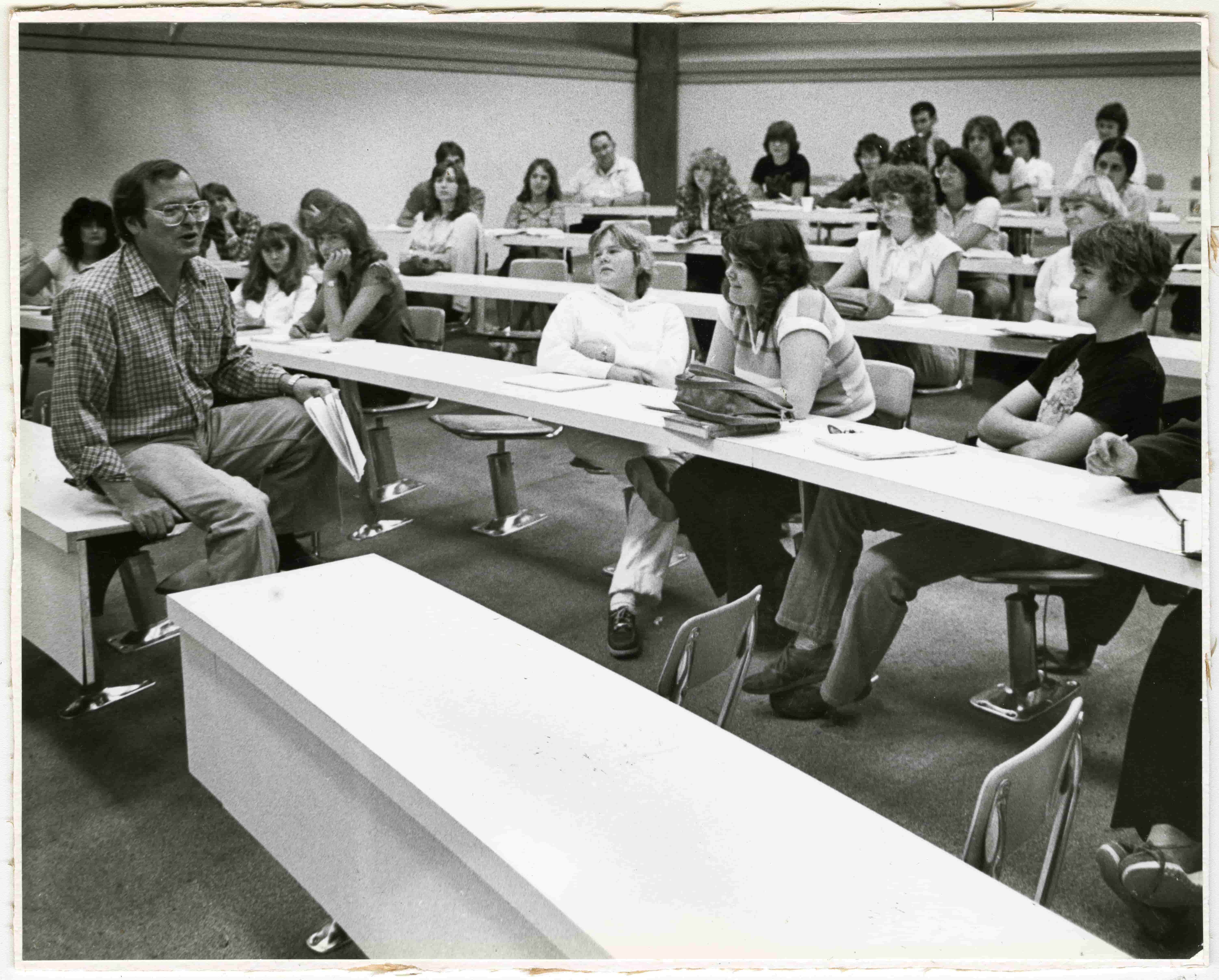
First Dean of Instruction John Terry articulated TCC’s people power in 1965 when he said, "the faculty are the continuity of this college." Of the college’s founding 27 professionals, 82% percent were still with the college in 1970 as it grew, demonstrating a commitment to the community and its enrichment.
TCC’s innovative faculty have created environments where teaching and learning is personally relevant and accessible in format and content to a diverse range of students. While student-centered, TCC faculty also engage in meaningful research, earning accolades such as Fulbright Scholarships, National Endowment for the Humanities (NEH), National Science Foundation (NSF), and National Endowment for the Arts (NEA) grants and fellowships.
Relevant & Accessible Learning
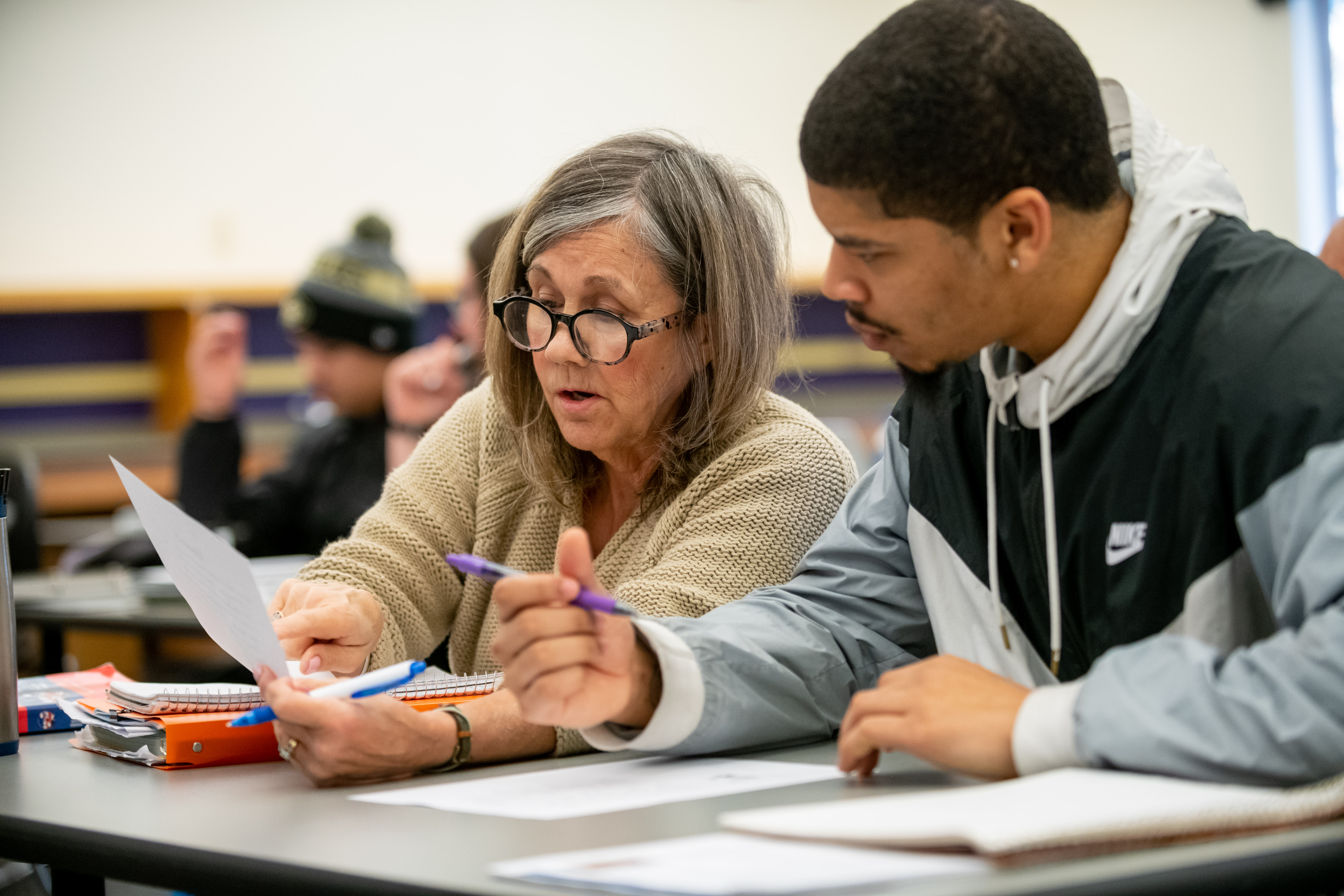
Personal relevance has always been an essential element of teaching and learning at TCC, and courses reflected this too. This is emblematic in the development of African-American curriculum after the demands of Black TCC students, the growth of occupational programs during economic recession, and in courses where students co-create their curriculum. In this way, TCC has sought to meet students where they are in their lives, by whatever means are most appropriate to their needs.
Faculty and staff have found innovative, high- and low-technology strategies to reach learners, especially those with barriers to classroom access. TCC offered self-paced learning options practically from the beginning of the college using a variety of media and technologies. Career-based programs helped working students gain credit and continuing education in their fields, or learn new job skills in supported campus roles. Other programs and courses center student interests to build interdisciplinary, student-led learning opportunities.
Multimedia Courses
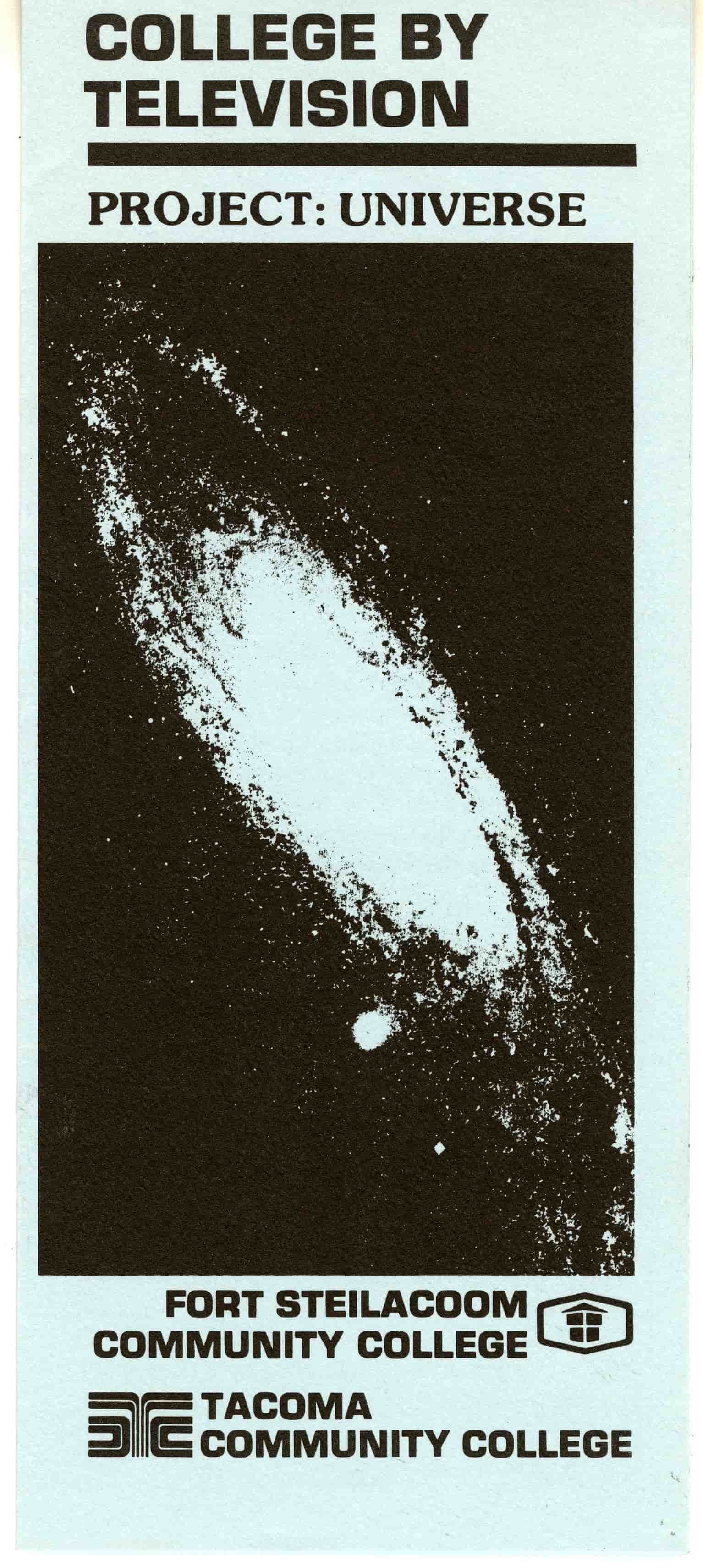
In the late 1960s, history professor Ronald Magden was experimenting with pre-recorded television classes, designed to serve TCC’s students at the remote McNeil Island Federal Penitentiary. He would go on to also collaborate with other colleges and instructors on multimedia courses that used newspapers, broadcast television, and audio recordings accessible by telephone.
This set the tone for ongoing innovation in self-guided learning formats, with multimedia and book-based courses continuing to be popular into the 1990s. In the early 2000s, growing internet access exploded the options for full and hybrid distance learning.
Contemporary Biological Problems
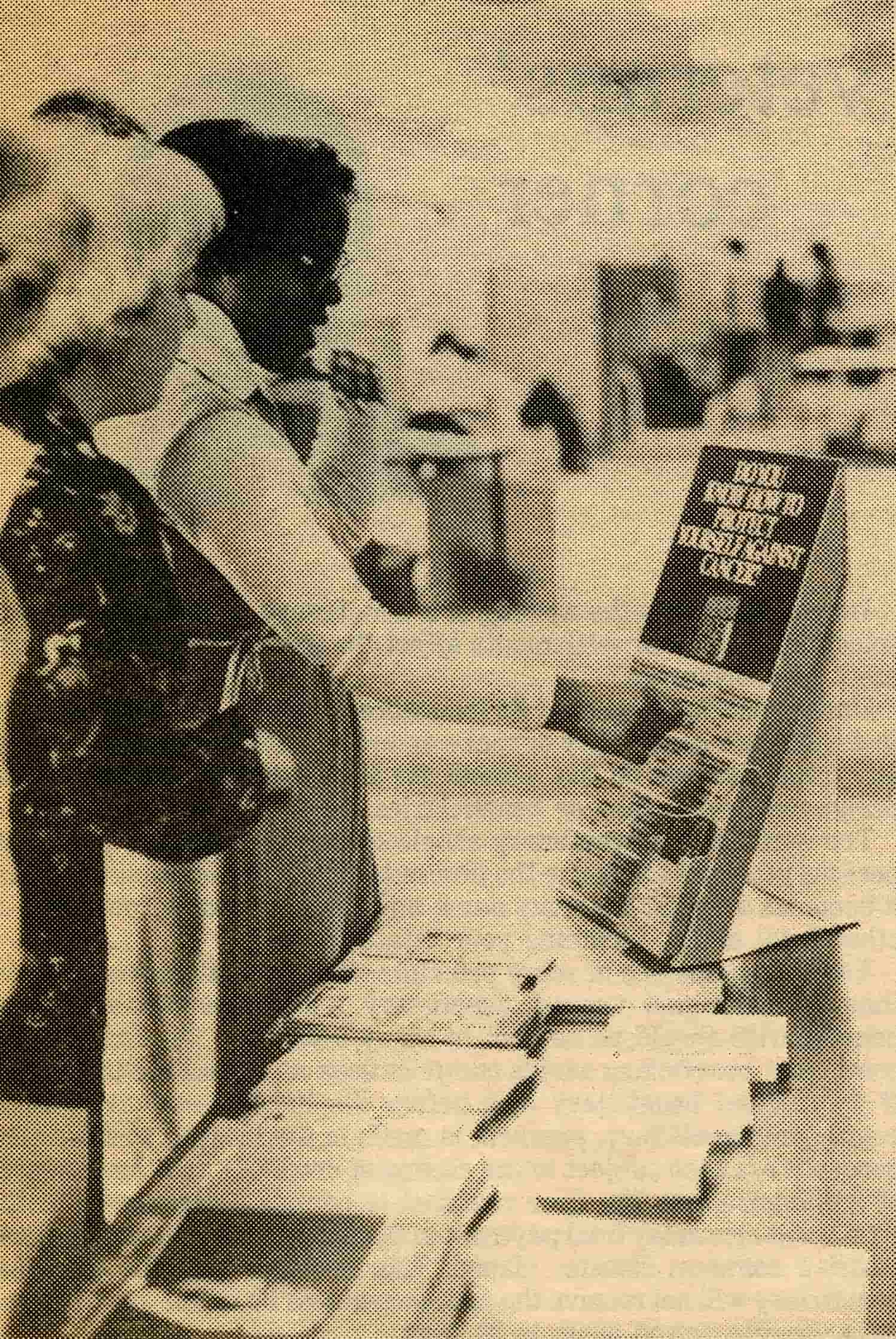
Biology 106: Contemporary Biological Problems was one of TCC’s earliest science courses, geared toward non-major students. The course was originated by instructor Melvin Urschel in 1969, but shortly after taken over by instructor Richard Perkins. Perkins’ unique approach in this course emphasized student choice, personal relevance, and co-creation of learning in the classroom. Rather than a typical laboratory biology class, Contemporary Biological Problems brought a biology lens to everyday issues the students were invested in. The non-laboratory focus of the course also allowed for its adaptability to less-equipped teaching spaces such as McNeil Island Penitentiary. Over the years, student projects in this course found solutions to real world problems within the TCC community, some lasting long beyond the student’s tenure at the college.
Learning through the Pandemic
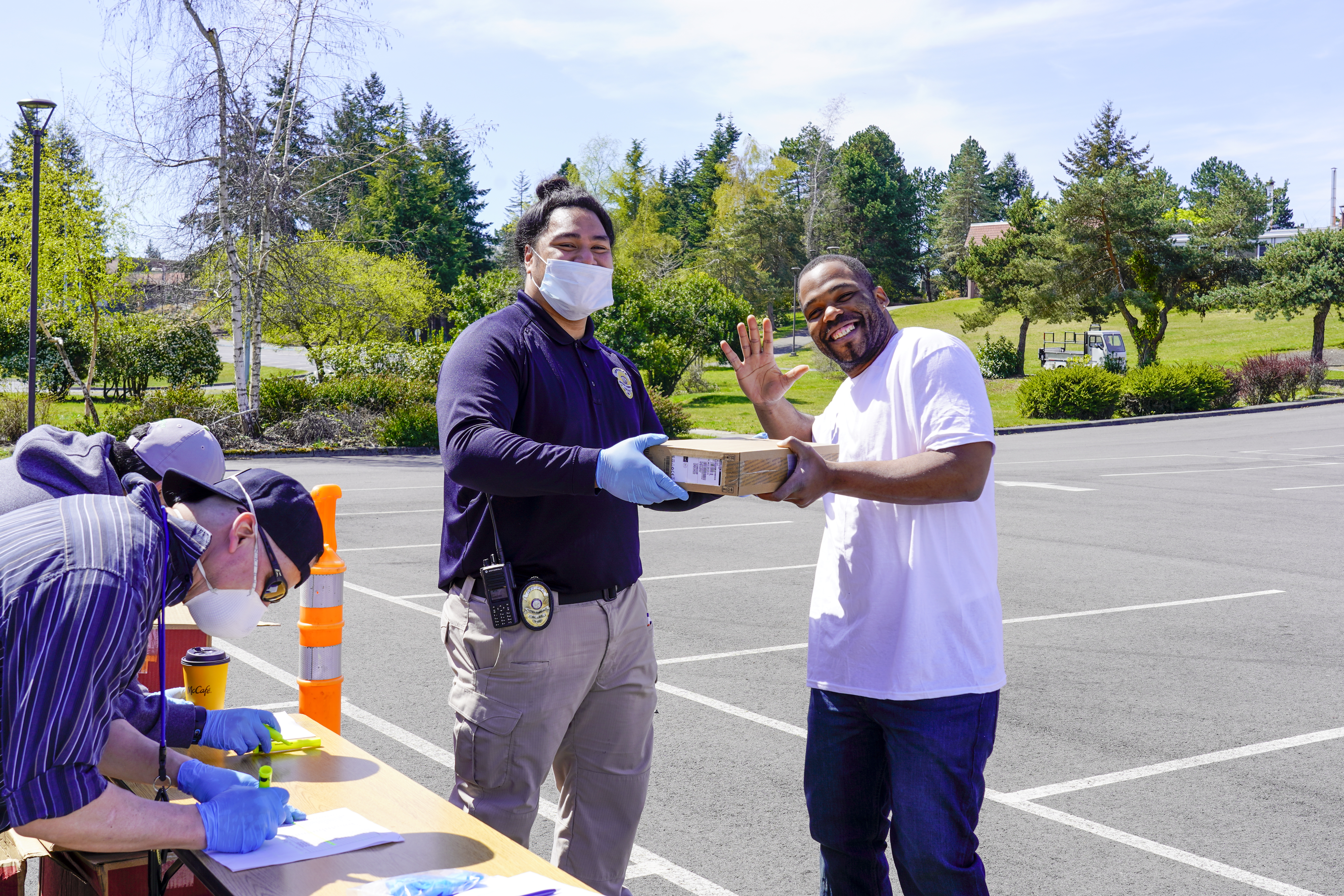
The COVID-19 pandemic abruptly reshaped TCC’s approach to instruction following a statewide prohibition on in-person instruction in 2020. For the first time in college history, entire academic quarters were conducted completely online, prompting faculty to quickly adapt. TCC’s eLearning and Organizational Learning and Effectiveness departments partnered to deliver over 70 virtual workshops across dozens of topics in just a few weeks, along with faculty consultations and drop-in sessions. Essential hands-on courses, such as nursing and respiratory care, continued on campus under rigorous safety protocols, demonstrating the institution’s commitment to maintaining educational quality and community health under unprecedented constraints.

Whole Student Support
TCC recognized early on that in addition to academic support, students thrive with relevant and inclusive resources for holistic support.
The TCC Library & Resource Center
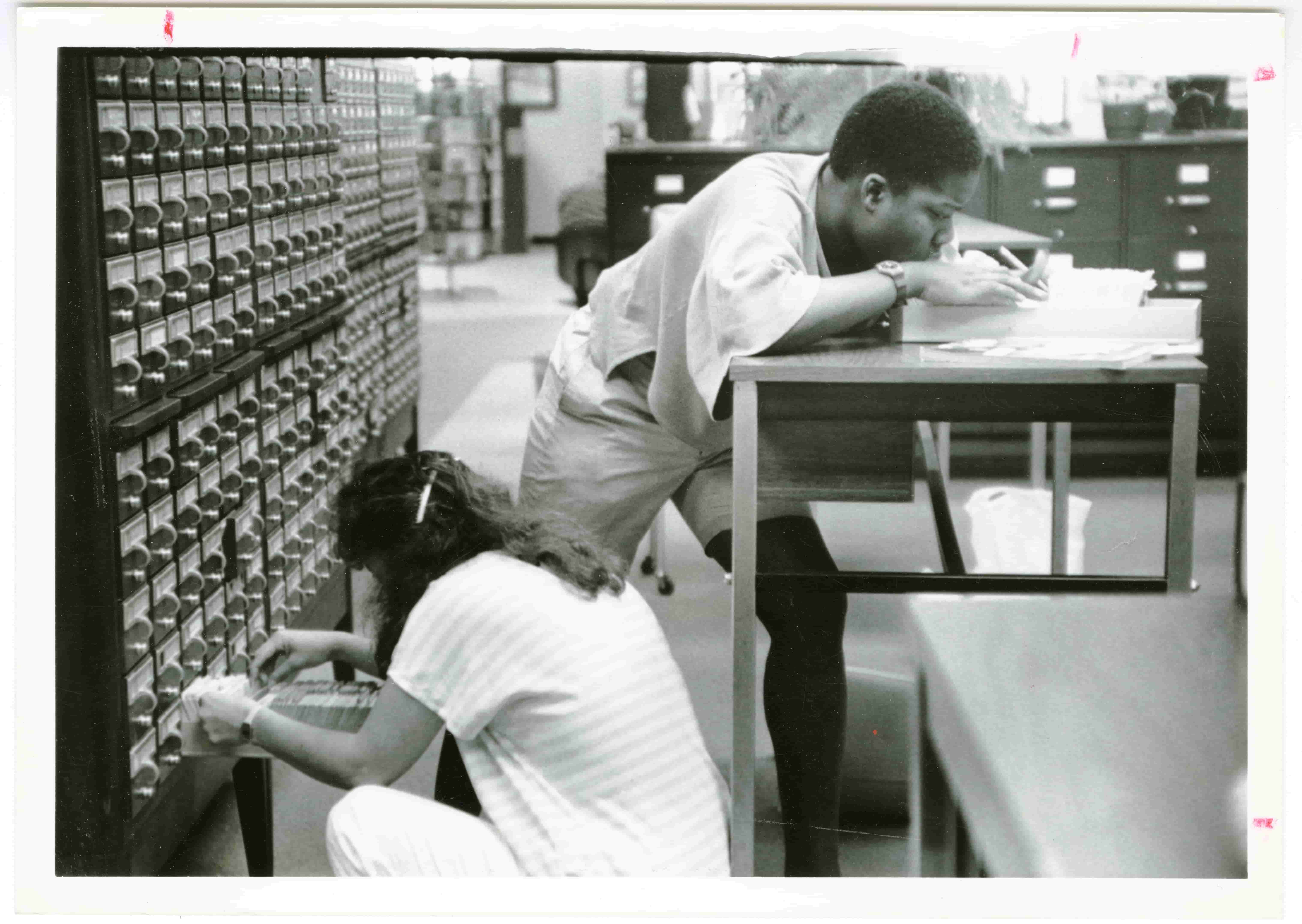
The Pearl A. Wanamaker Library and Resource Center (LRC) was dedicated in 1966, honoring educator and official Wanamaker for her years of service for public education. In planning the new college, the library was situated at the center and originally numbered Building 1, highlighting its essential role. In his 1967-68 annual report, TCC President Thornton Ford declared the library “functionally the heart of the campus.” The LRC served broad student needs not only with its book and periodical collection, but also with various laboratories giving students room for assisted and self-serve learning opportunities, making this space an integrated information center addressing both academic and personally relevant needs.
TCC Child Care Center
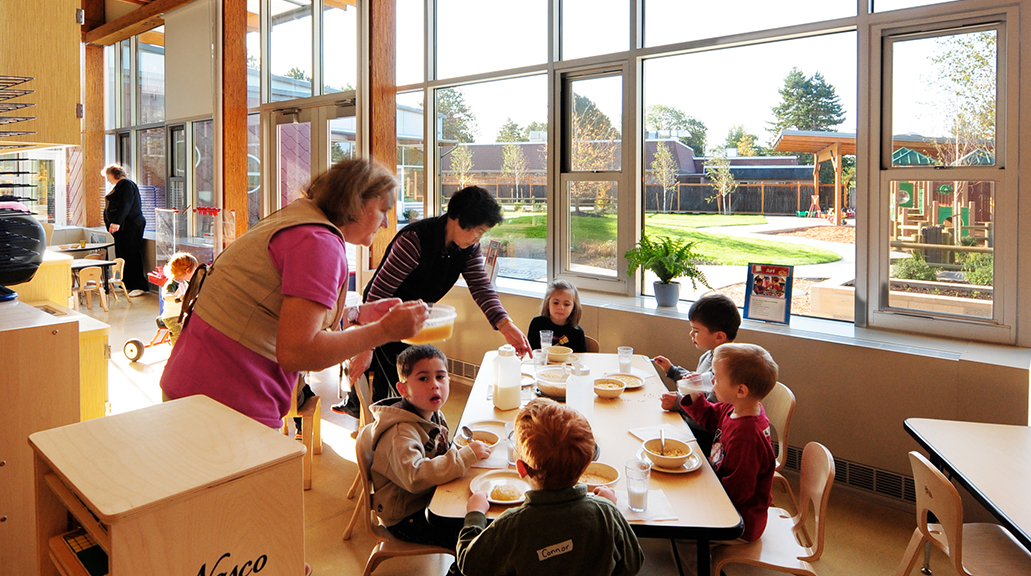
In 1970, the student government proposed the creation of a day care center for student parents. While feasibility was explored, the first child care center was established off-campus in 1974. Funded by the Associated Students and donations from numerous stakeholders, the center was able to offer extremely reduced rates and sliding scale fees based on income or participation in the cooperative model. The latter was entirely unique in Washington state at the time, and involved parents contributing to work at the center, participating in parenting classes, and committing to a special project with their children.
An on-campus facility at last became a reality in 1982, thanks in large part to advocacy by student president Anastasia Armourer and Dean of Student Services Dr. Priscilla Bell. Twenty years later, the college’s growth demanded a new center to accommodate more children and services. Even before its grand opening in 2008, the center was fully enrolled.
Explore Six Decades of TCC
This digital exhibition highlights the four themes that celebrate Tacoma Community College's 60 years of service, learning, and community connection. Visit the 60th anniversary page or explore the full exhibitions: