

Advancing equity, diversity, and inclusion
From Access to Belonging
The early student populations served by Washington’s community colleges—TCC in particular—looked very different from those of today. Although the creation of a more accessible community college system promised broader opportunities for higher education, TCC’s first students were predominantly white, male, and bachelor’s degree-bound, reflecting the demographics of existing post-secondary institutions in the region. Fulfilling the true promise of the 'open door' for the whole Tacoma community required time, dedicated effort, and a willingness to listen and adapt to the community’s evolving needs.
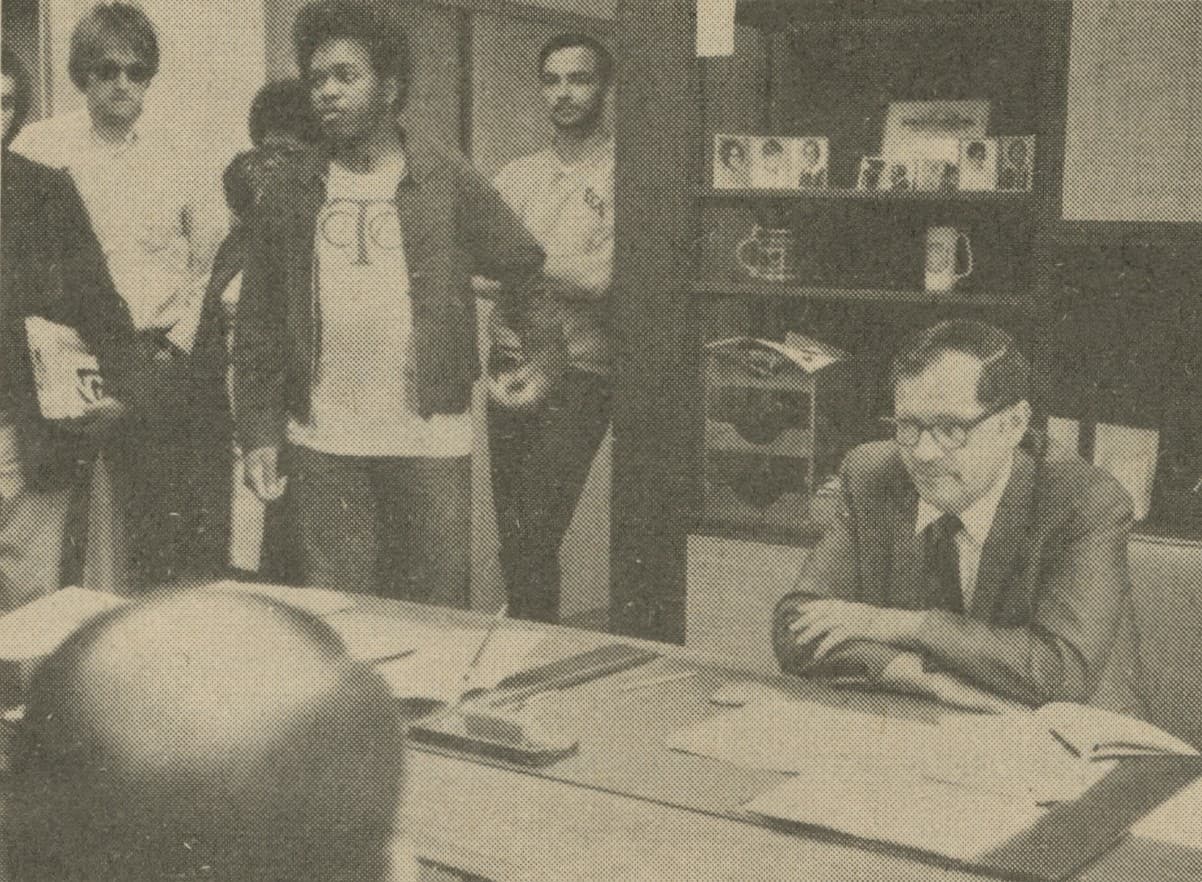
Black Student Advocacy Leads to Change
Obi Society members took the lead in many resulting actions, including conducting seminars for TCC employees and exploring the Hilltop neighborhood's educational needs with partner universities for Tacoma’s Model Cities program. TCC students from historically underrepresented communities were hired for peer outreach.
TCC helped form the Puget Sound Minority Affairs Consortium, which pursued grants to support program development at the member campuses. In 1972, the Board approved an affirmative action policy to support more equitable hiring practices both within the college and for vendors and contractors, the latter preempting a similar state initiative by eight years.
An extensive report on TCC students in 1977 noted that "today's student is five times as likely to be a member of a racial or ethnic minority group" than when the college last created a student profile a decade earlier, and showed a dramatic increase in women.

Changes in the Classroom
The college has been working on expanding the curriculum since the Obi Society first expressed concerns in 1968, and a new Minority Affairs Curriculum Committee was created the following year that included student representation. Over the next few years, TCC added courses in literature, history, and language that better represented the heritage and interests of its learners. Topics included Black writers, contemporary American fiction, world literature, Chicano writers; African, Asian, Chinese, Japanese, Latin American, and African American history; Chicano culture; and Chinese, Japanese, and Swahili languages.
International, Immigrant, and Refugee Students
The 1977 report on student demographics also noted a significant rise in foreign-born students, particularly displaced Vietnamese citizens. From 1975 to 1985, approximately 100,000 Southeast Asians entered the US per year, with nearly half settling in Washington state, fleeing wartime and postwar Vietnam, Cambodia, and Laos.
TCC had already begun offering English as a Second Language (ESL) courses in 1970, and a full ESL department was created by 1978. Curriculum exponentially expanded over the following years into a range of reading, writing, speaking, and listening skills.
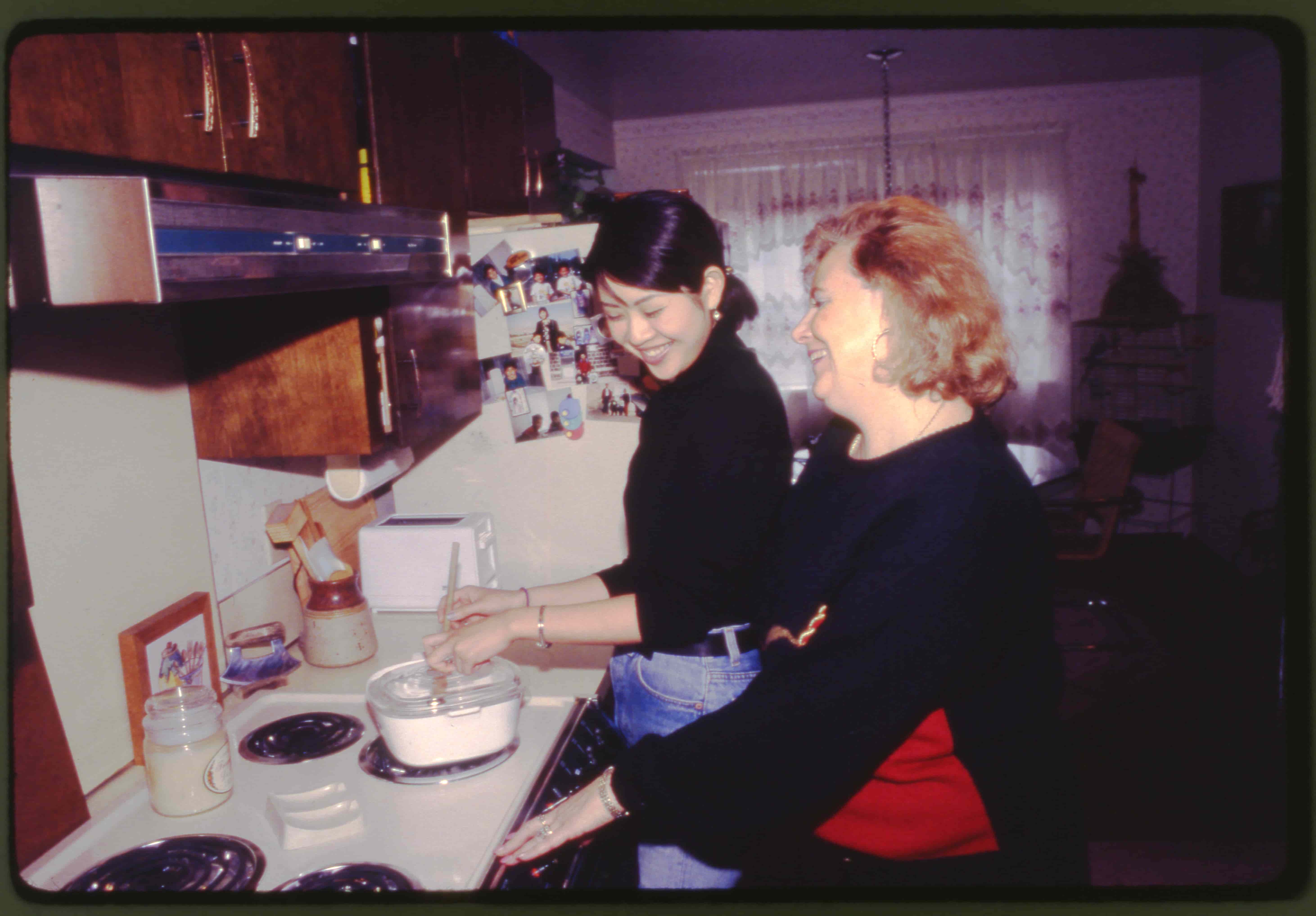
Support for immigrant learners has included other ways of affirming their belonging in our community. In the early 1990s, TCC offered free citizenship courses for students to prepare for naturalization tests. The Center for Academic Success and Achievement (CASA) assigned an Undocumented Student Coordinator to provide specialized application and financial aid support for undocumented students.
Visiting students have found community in the International Student Organization (ISO) and via institutional support by International Student Services Programs (ISSP). ISSP supports activities like field trips and programs such as the English Conversation Program, which paired ESL students with native English speakers to practice language and cultural exchange in casual, weekly meetings.
Institutional EDI
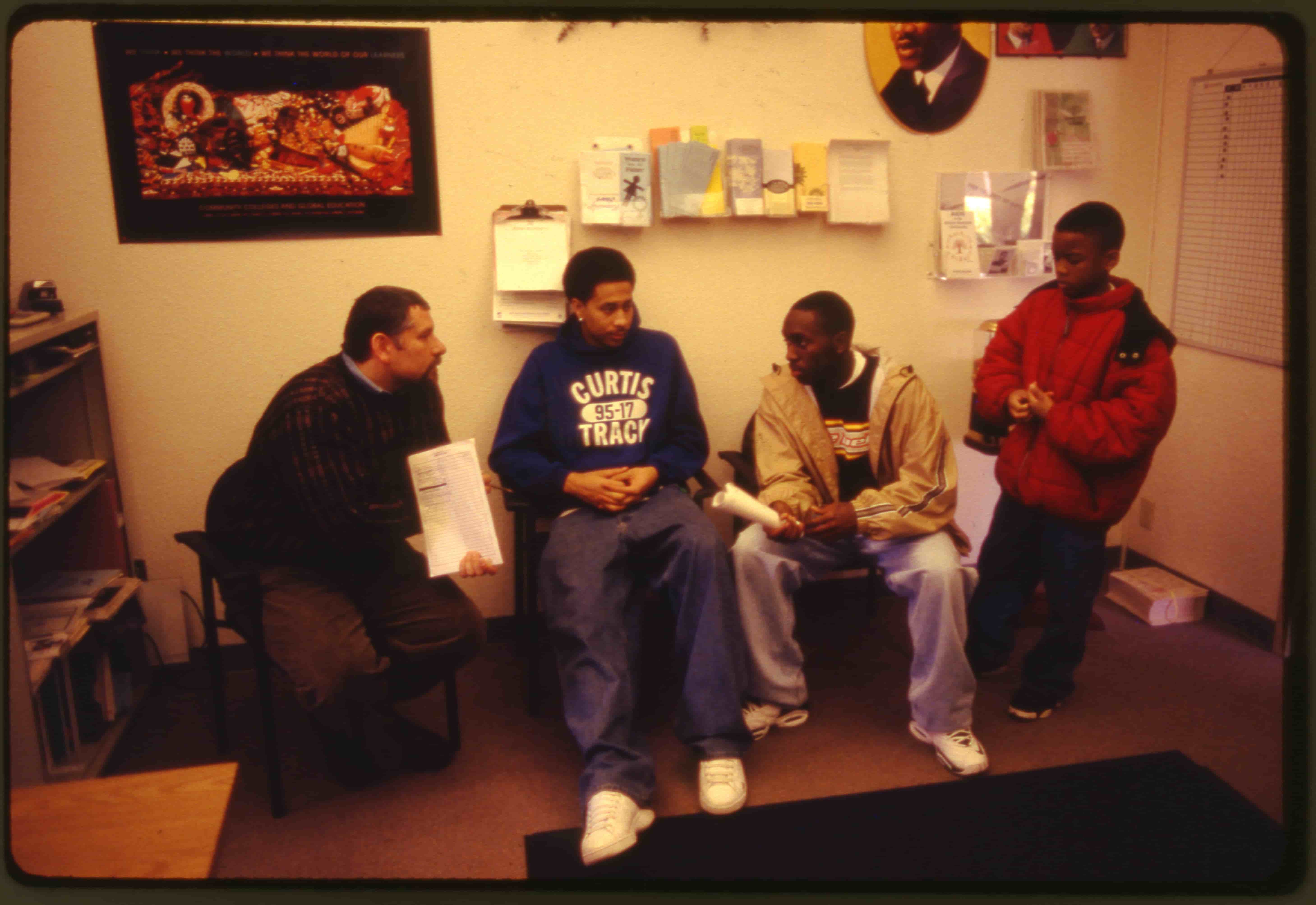
From the early days of the Minority Affairs Office, to the Multi-Cultural Student Services Program, to today’s Center for Student Advocacy and Cultural Support, TCC has worked to create space for students’ whole identities and lived experiences.
Over the years, TCC administration has formed a number of different councils and committees to explore and support the needs of underrepresented students, staff, and faculty. President Ivan L. Harrell, II, Ph.D., hired in 2018, formalized TCC’s commitment to equity work on an institutional level by creating the Office of Equity, Diversity, and Inclusion (EDI) and hiring the college’s first Vice President of EDI.
Upon its establishment, the new EDI office launched an extensive campus climate survey to amplify the voices of TCC community members who had felt unheard. The office also created a structure for analyzing policy through an equity lens, which continues to be the center of the college’s policy work in shared governance.
Access Services
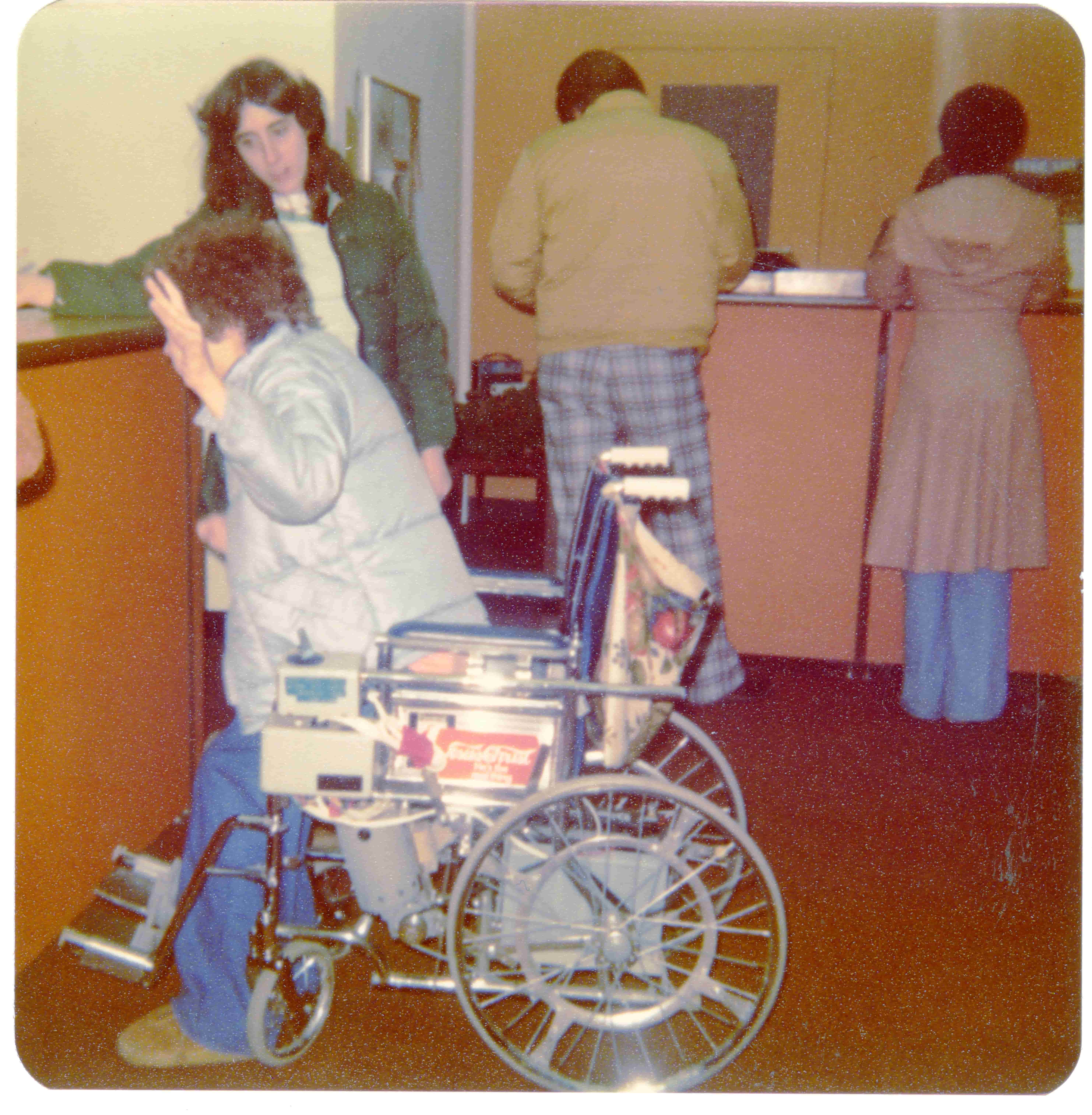
Although TCC aimed from its beginnings to be accessible and was dubbed “the stepless college,” growing awareness of the inequities present in navigating campus spaces, educational methods and resources led to the creation of the Resources for the TCC Handicapped Office (RHO) in 1977. The RHO provided support for students with counseling and referral services, transportation assistance, and learning support.
With the signing of the Americans with Disabilities Act (ADA) in 1990, awareness of accessibility issues slowly became more visible throughout the college. TCC began offering courses in American Sign Language, access technology, and teaching students with learning disabilities. Over the next decade, the RHO expanded, and in the 2000s it became known as Access Services.
Access Services has recently renewed its outreach efforts within the TCC community through the launch of new initiatives:
- The Access Services Faculty Liaison group supports stronger connections between those supporting students’ learning and accommodations.
- The Disability and Intersectionality Speaker Series highlights the intersections of disability issues with those of race, gender and sexuality, and other identities and statuses.
LGBTQIA+ Support
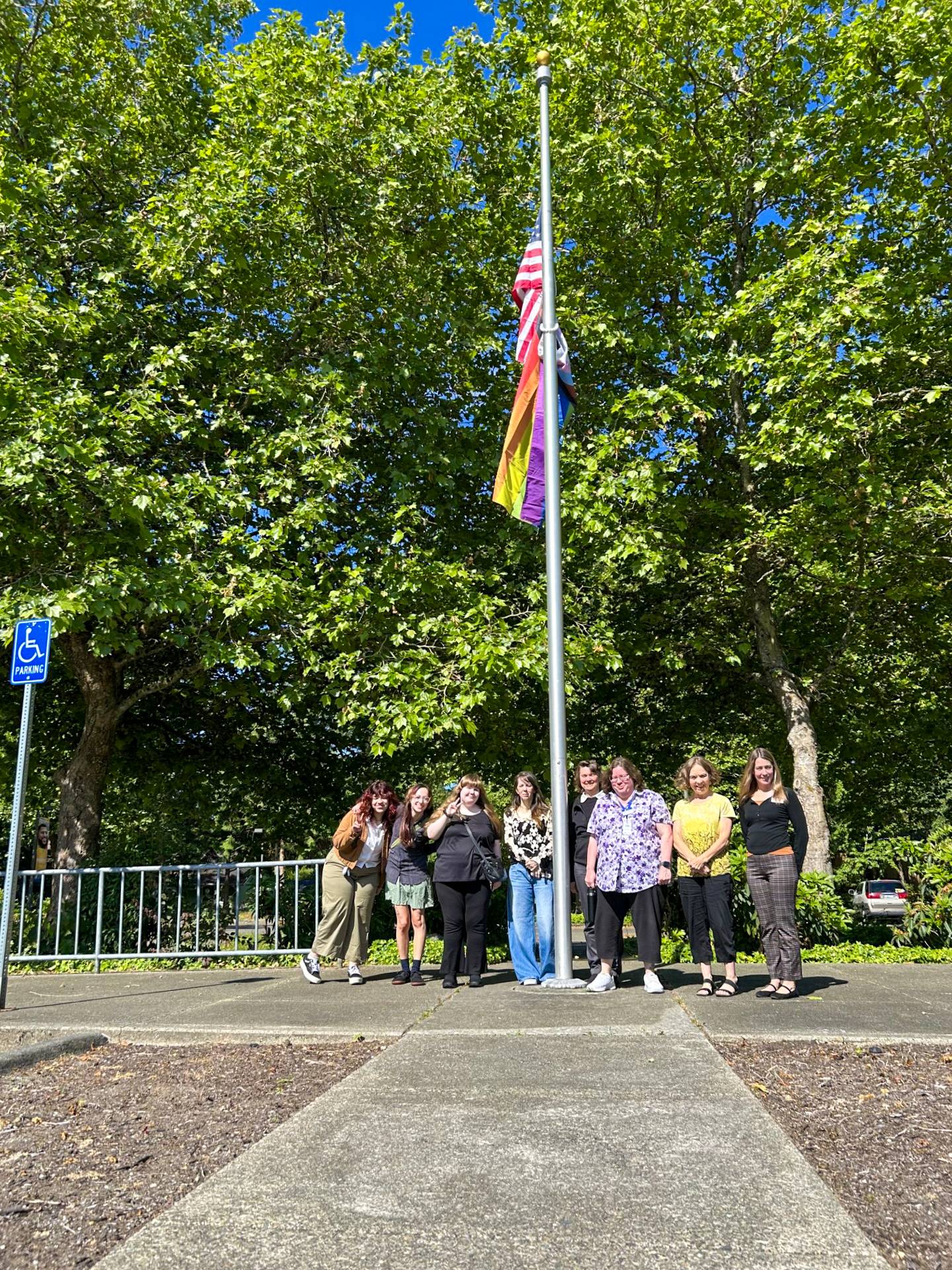
Lesbian, gay, bisexual, transgender, queer, intersex, asexual people, and those of other diverse genders and sexualities (LGBTQIA+) have always been part of the TCC community, but their ability to be open about their identities has not always been without risk.
The first visible support centered on sexuality was organized by students in the 1980s, but it wasn’t until two decades later that a queer student group maintained an official presence on campus. This was true for curriculum as well, with courses like the sociology of gender and sexuality first being offered in the mid-2000s.
At that same time, a coalition of students and employees identified the need for greater support of the TCC queer community, ultimately forming a club for students and an advocacy committee for employees. Together, they developed a Safe Zone training program for the faculty and staff to understand the unique needs of LGBTQIA+ students. This program and has been recently revitalized with a new, unique-to-TCC program, Beyond the Binary, incorporating updated understandings of gender and sexuality, and the changing landscapes our LGBTQIA+ community members are navigating.
Explore Six Decades of TCC
This digital exhibition highlights the four themes that celebrate Tacoma Community College's 60 years of service, learning, and community connection. Visit the 60th anniversary page or explore the full exhibitions: