

TCC Natural Area
Ancestral Homeland of the puyaləpabš— the Puyallup Tribe of Indians
The TCC Natural Area is a 55-acre forest and wetland habitat that serves as a living classroom for our students and a natural refuge for the community. Explore our trails, learn about the land, and help us care for this special place.
Land Acknowledgement
We are so fortunate that TCC is located on the ancestral territory of Native American peoples. The Puyallup tribe, a member of the Coast Salish tribal peoples, have called this area home since time immemorial. In 1854, the Medicine Creek Treaty forcibly removed them from their lands and onto the Puyallup reservation. The state of Washington has the 7th largest Native American population in the U.S. with 29 federally recognized tribes represented, as well as several unrecognized tribes. We recognize that the privilege of our campus being on the land on which we now stand comes at great cost to the Coast Salish peoples. We gather here knowing that our presence is part of an ongoing invasion and that these lands were and continue to be forcibly and unlawfully taken from their original Indigenous inhabitants. We acknowledge that these injustices are true here and also for Indigenous communities around the globe.
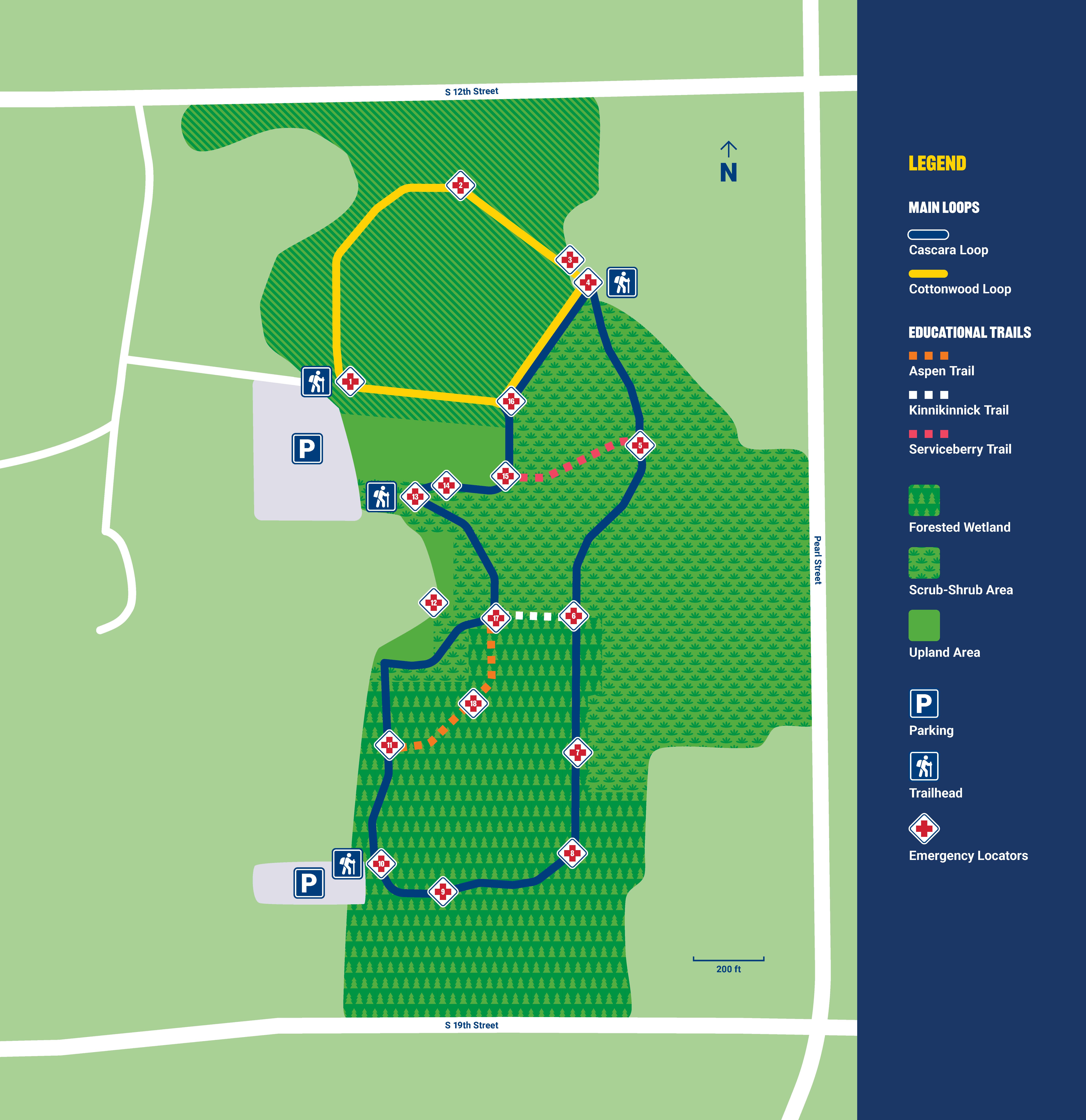
Explore the Area
TCC Natural Area provides hands-on learning opportunities across many disciplines:
- Biology & Botany
- Art & Creative Writing
- Geography & Environmental Science
- Anthropology & History
By bringing education outdoors, the Nature Area helps students experience the interconnectedness of people, culture, and environment.
Caring for the Land
To protect wetlands and wildlife, we ask all visitors to:
- Keep dogs on a leash...and away from wildlife
- Scoop the Poop - it's TCC policy and vital to the health of our ecosystem
- Stay on marked trails
- Leave no trace
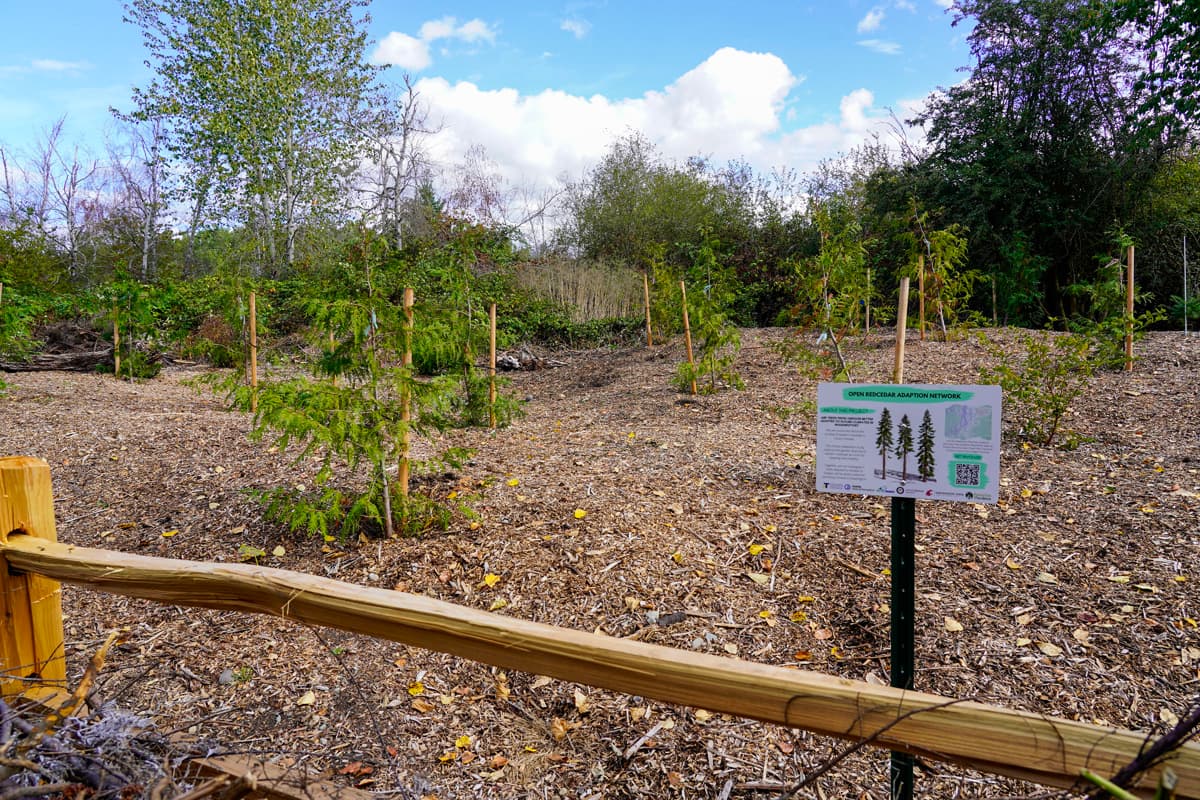
Learning in the Living Lab
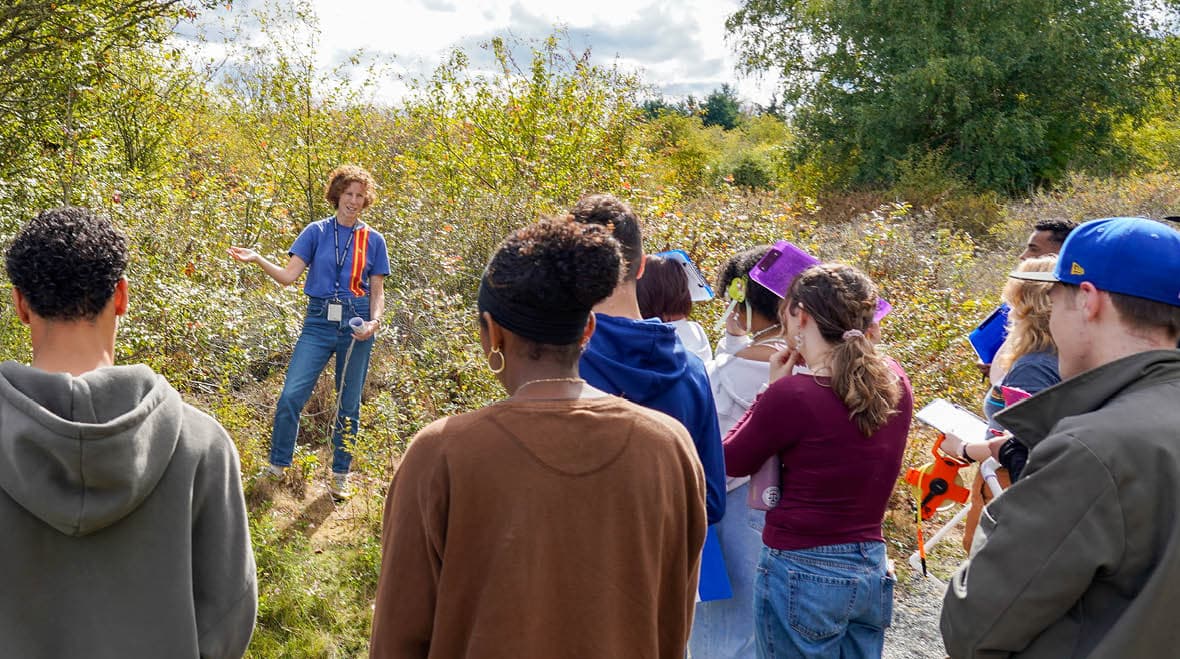
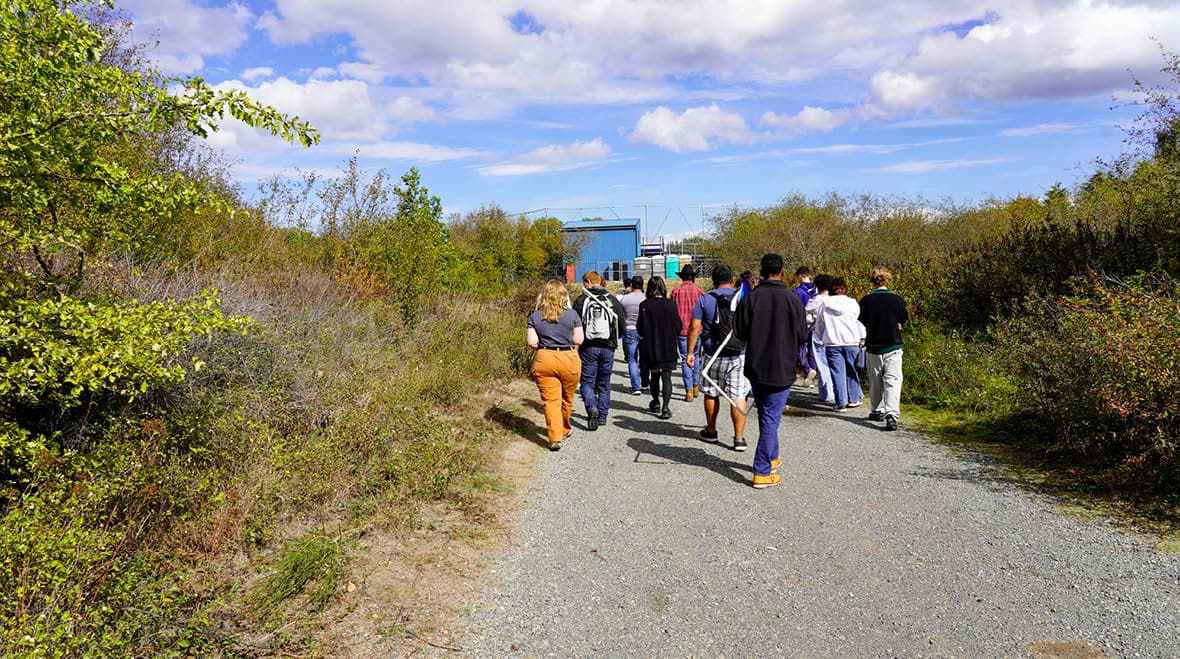
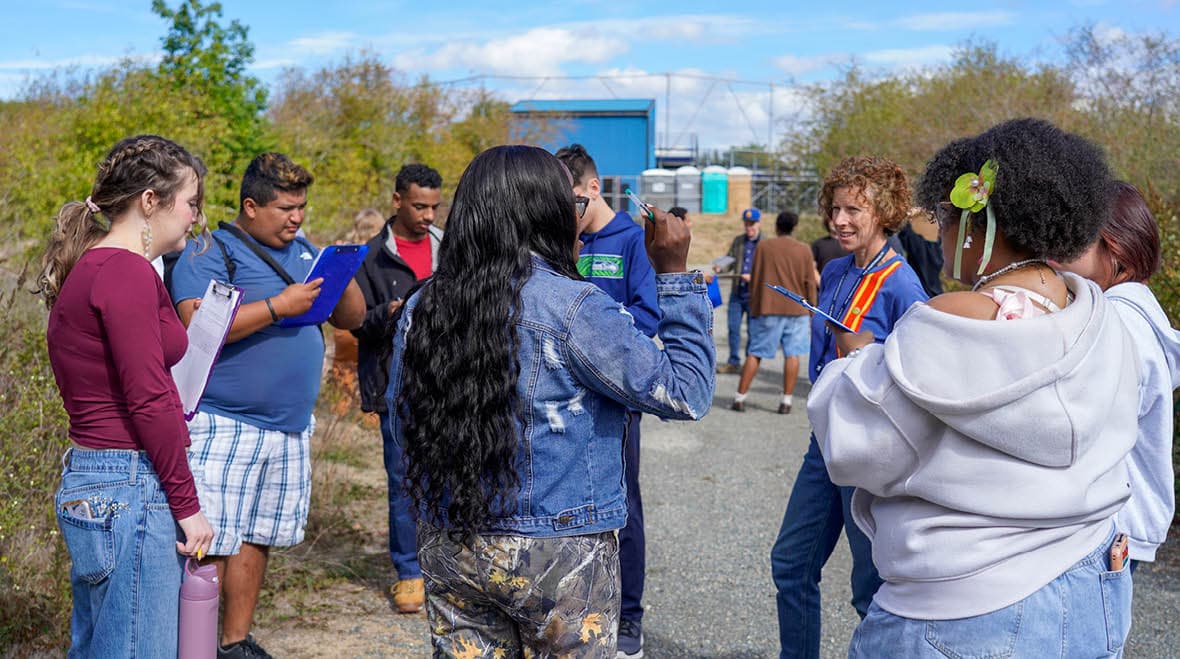
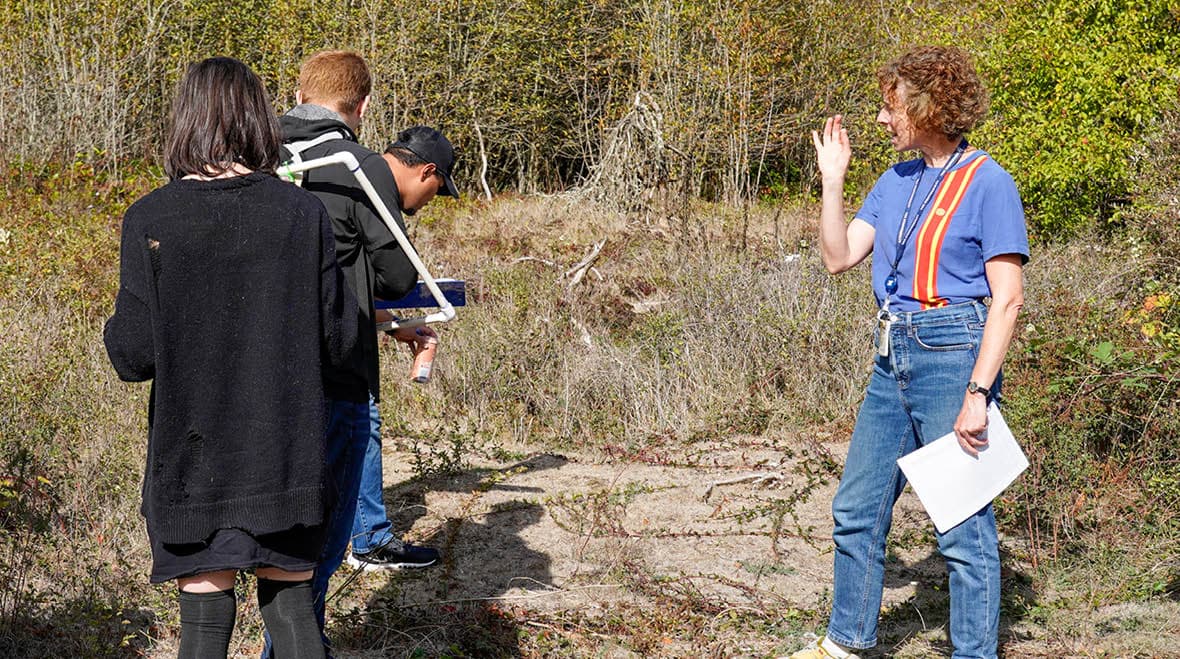
The TCC Natural Area and Living Lab serve as an outdoor classroom for biology, environmental science, and other field studies, offering students real-world experience in ecosystem observation, wetland studies, and habitat restoration. Through hands-on courses, place-based learning, and faculty-led initiatives, students explore environmental stewardship, climate justice, clean energy, and sustainable practices across disciplines.
Honoring Indigenous Knowledge
Learn the Twulshootseed pronunciation of many of the plants in our natural area!
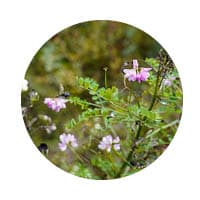
Wildlife & Plants You May See
TCC Natural Area is a local asset due to the many ecostystem benefits it provides, including sequestration, cooling, recreation, and more. Take time to get to know more about the Natural Area, the wildlife and best practices while visiting.
Share your observations with us
Mountain Beaver
World's most primitive living rodent species. They are not really beavers, but were so named because they gnaw bark and cut off limbs in a manner similar to true beavers.
Learn MoreCoyotes
They have a presence across nearly all of Washington, including many urban and suburban parks, greenbelts, and other wood spaces.
Learn MorePacific Chorus Frog
Pacific treefrogs are able to utilize a wide variety of habitats and persist even within urban and disturbed areas, where pockets of undeveloped habitat exist
Learn MoreSustainability at TCC
Tacoma Community College is committed to advancing sustainable practices through education, equity, and community partnerships. The Sustainability Action Committee leads campus-wide efforts to reduce environmental impact, promote sustainability in academics and operations, and strengthen partnerships with our community.
- Sustainability Action Committee
- A.A. in Environmental Sustainability and A.S. in Environmental Science
- Sustainability Pathway
Contact Us
For Natural Area questions or campus safety concerns, please let us know how we can help.